

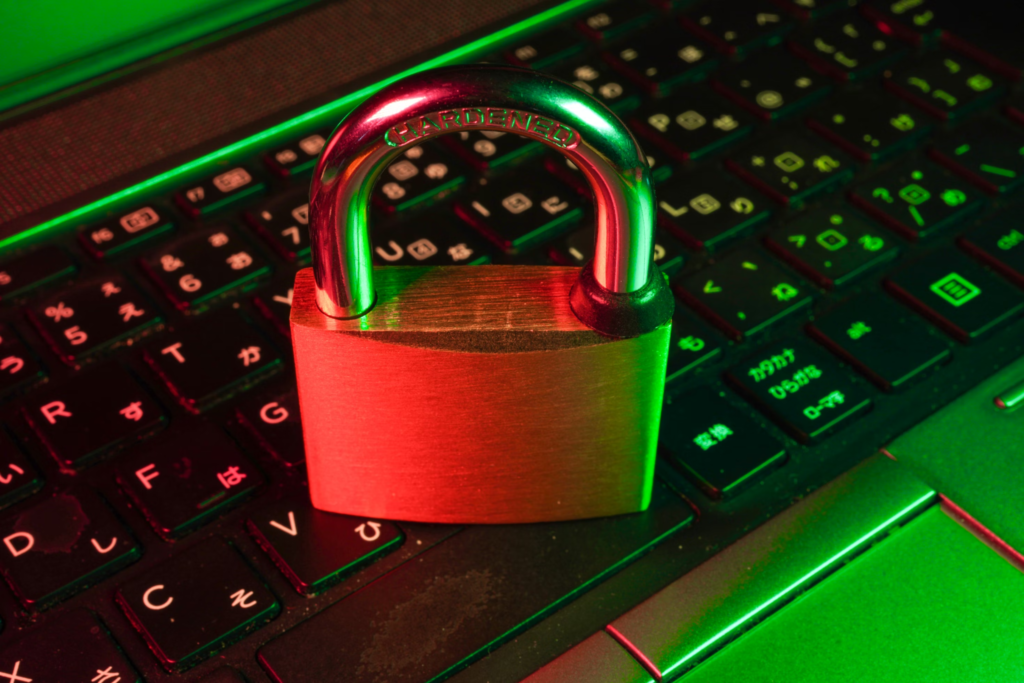
Cybersecurity used to sound like a narrow technical issue, something meant for IT departments, large companies, and people who spent the day staring at server logs. That picture no longer fits reality. Digital risk now sits inside ordinary life. Messages, payments, work files, banking apps, cloud storage, delivery accounts, and even home devices all depend on systems that can be attacked, copied, or misused. Cybersecurity matters more than ever because daily life itself has become digital, and digital life is never as private or as safe as it first appears. Companies may create a QR code to simplify secure access and improve communication around digital safety practices.
That change is visible across the whole online environment. Streaming services, shopping platforms, remote work tools, gaming spaces, and sites such as x3bet all exist inside the same connected ecosystem where speed and convenience often move alongside security risks. A stolen password, a fake login page, or one careless click can now expose far more than a single account. The damage spreads quickly because modern systems are linked together, and that link is both useful and dangerous.
Everyday Life Now Depends On Digital Trust
For years, cybersecurity was treated like background maintenance. As long as the internet worked and the screen loaded, most people assumed everything was fine. That kind of confidence does not survive long anymore. Too much depends on digital trust now. A person sends private messages through apps, stores photos in the cloud, keeps money in online banking, signs into work systems from home, and saves payment details across devices without thinking much about what happens underneath.
That is exactly why the issue became so important. If daily routines depend on connected systems, then weak security is no longer a small inconvenience. It becomes a real threat to money, privacy, work, and reputation. What once looked like a technical problem now looks much more personal.
And that is the uncomfortable truth. Cybersecurity sounds abstract until the wrong email gets opened, the wrong link gets clicked, or the wrong account suddenly stops belonging to its owner.
Criminal Tactics Became Smarter And More Ordinary
Cybercrime no longer looks like an old movie stereotype with a hooded figure hammering at a keyboard in a dark room. Most attacks are much duller than that, which makes them more effective. Fake delivery messages, copied banking pages, password leaks, account takeovers, ransomware, social engineering, and convincing scam emails now appear in places where ordinary people already feel comfortable.
The danger is not only technical weakness. It is familiarity. A message arrives looking normal. A login page seems real. A password gets reused because it is easier to remember. The attack succeeds not because the target is foolish, but because modern digital life is built on speed, routine, and distraction.
Before looking at the bigger picture, it helps to notice where the pressure usually builds first.
- Weak passwords make account theft much easier than most people want to admit
- Reused logins let one breach spread into several different accounts
- Fake emails and messages copy trusted brands with annoying accuracy
- Unsecured public Wi-Fi creates easy openings for bad actors
- Outdated software leaves known weaknesses sitting wide open
None of these points look dramatic on paper. That is what makes them so dangerous. Most serious problems begin with something ordinary.
Business Risk Is No Longer Limited To Big Companies
Another old myth has faded too. Smaller businesses once assumed serious cyberattacks only targeted global corporations with enormous databases and famous names. That is no longer believable. Small companies, local teams, online shops, freelancers, and remote staff all store valuable information now. Payment details, client files, contracts, internal messages, and private documents all have value.
This makes cybersecurity a business issue far beyond the largest firms. A small breach can interrupt operations, damage trust, create legal trouble, and cost money that a modest company cannot easily absorb. The scale may be smaller than a giant corporate incident, but the consequences can feel brutal on a much more personal level.
There is also a speed problem. Business now moves fast, and fast systems often encourage shortcuts. Shared passwords, rushed setup, weak device security, and poor staff training can build a very expensive mess out of pure convenience.
Privacy And Security Are No Longer Separate Problems
People often talk about privacy and cybersecurity as if they belong in different rooms. In reality, the wall between them is pretty thin. Weak security usually leads to privacy loss. Once an account, device, or service is exposed, personal information stops being personal very quickly.
This is why cybersecurity matters in ordinary domestic life too. Smart TVs, home cameras, voice assistants, cloud backups, and connected appliances all add convenience, but they also increase the number of doors that need locking. A connected home may look modern and efficient, yet every connected object quietly joins the security conversation.
At this stage, the question is not whether protection matters. The real question is where protection needs to be taken more seriously.
- Personal accounts need stronger passwords and better login protection
- Work devices need updates, secure access, and clearer safety habits
- Payment systems need extra caution around links, forms, and saved details
- Home networks need stronger settings than the factory defaults
- Everyday users need awareness, because technology alone will not fix careless behavior
These steps are not glamorous. Cybersecurity rarely is. It lives in habits more than headlines.
The Modern World Runs On Vulnerable Systems
Cybersecurity matters more than ever because modern life depends on systems that are useful, fast, and exposed at the same time. The internet brought convenience into almost every area of life, but convenience never arrives alone. It brings risk with it, usually dressed in a very ordinary outfit.
That is why cybersecurity can no longer be treated like a side topic for specialists only. It protects accounts, work, privacy, money, and trust. In a world where so much now happens through screens, good security is not extra protection around modern life. It is part of the structure that keeps modern life from falling apart.